
Get full access with a free account
Benefits of the Coloplast® Professional Educational platform
- Get full access to all educational content, events and resources
- Track your progress
- Share content with your collegues
- Share supporting material with your patient
It’s clinically proven that cleansing and debridement speeds up wound healing1,2
- Wound preparation is a crucial step in wound management1
- Proper wound preparation will lead to faster healing and improved patient care2
Simplifying cleansing & debridement to support optimal wound preparation
Wound preparation is a crucial step in wound management.
Slough, devatilised tissue and biofilms can all delay the wound healing process as they may:
- Increase the risk of infection
- Limit wound assessment
- Inhibit the development of healthy tissue
Delayed wound healing may lead to:
- Decreased patient quality of life
- Increased time burden of wound treatment
- Increased cost burden of wound treatment
How to cleanse and debride a wound with Alprep Pad
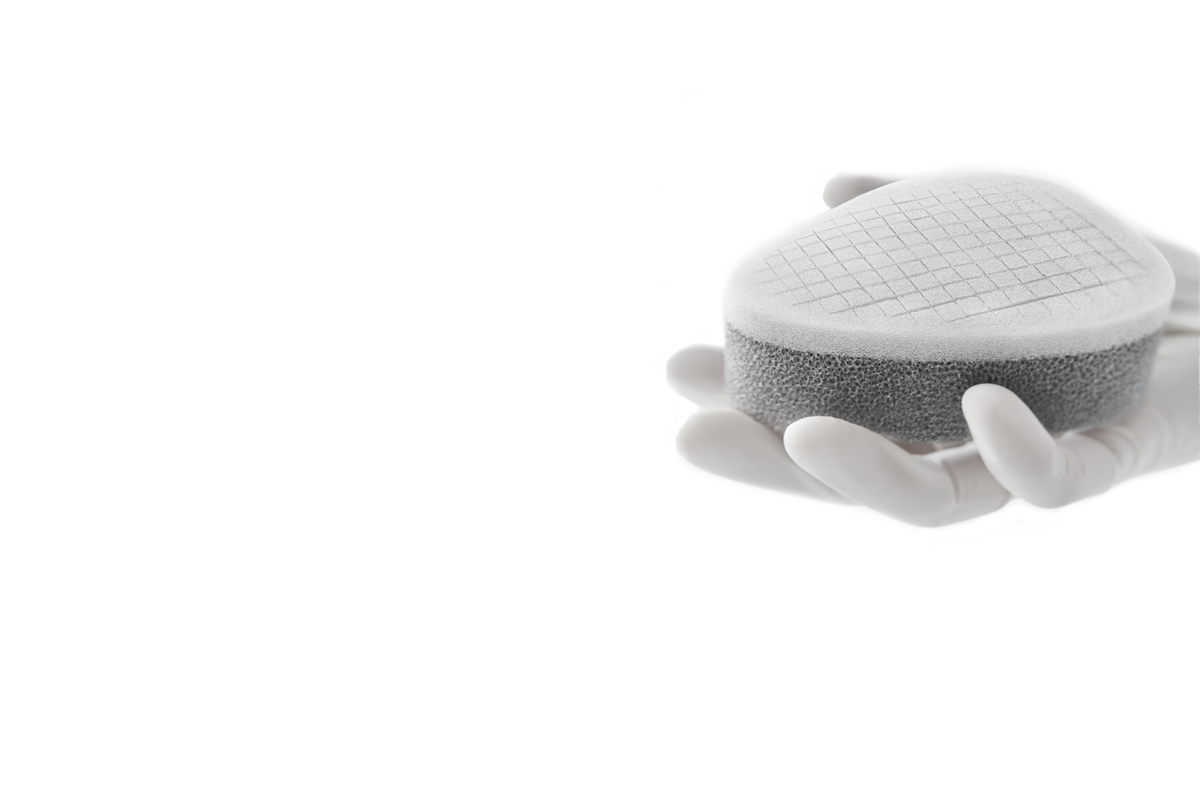
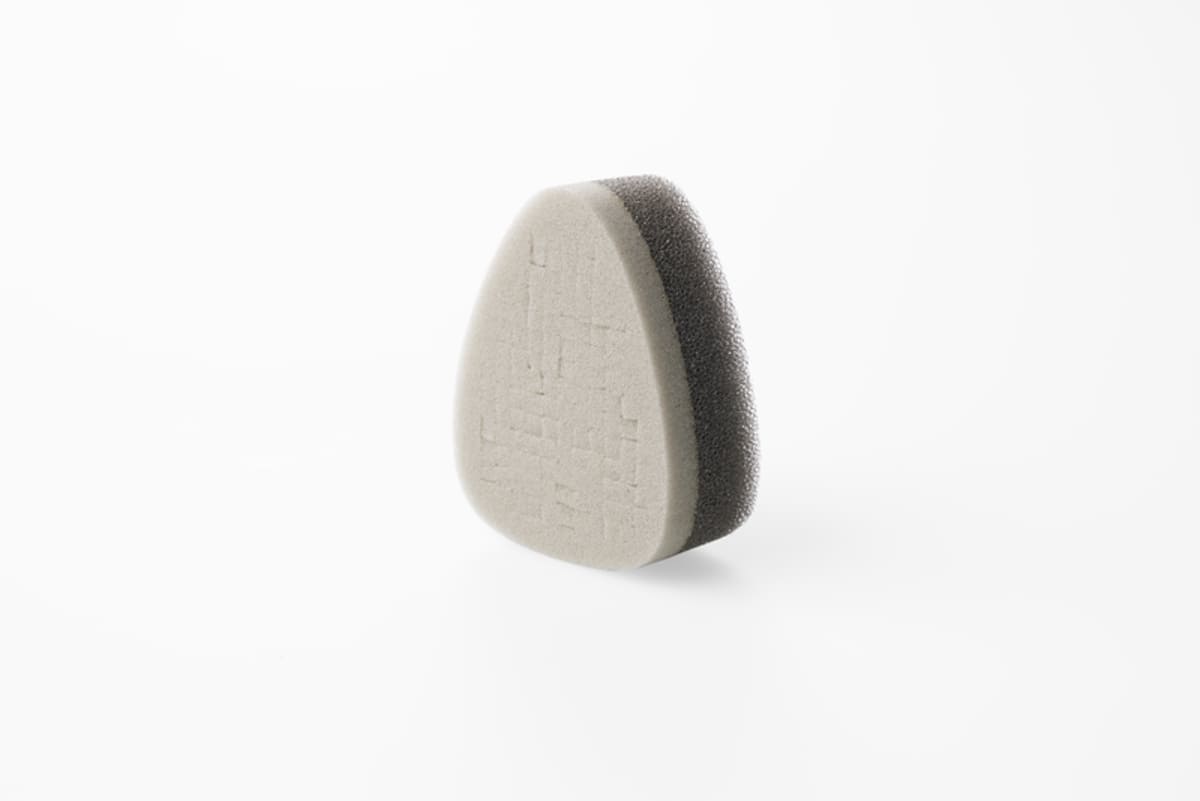
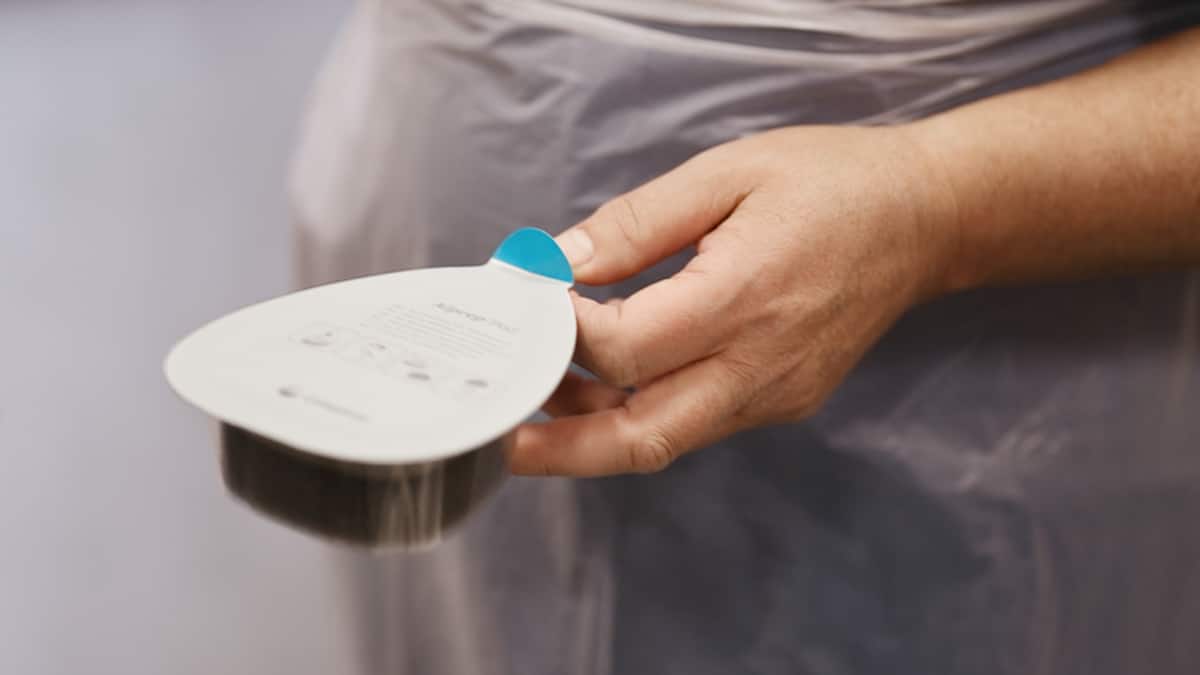
You can use both sides of Alprep Pad - it is two tools in one.
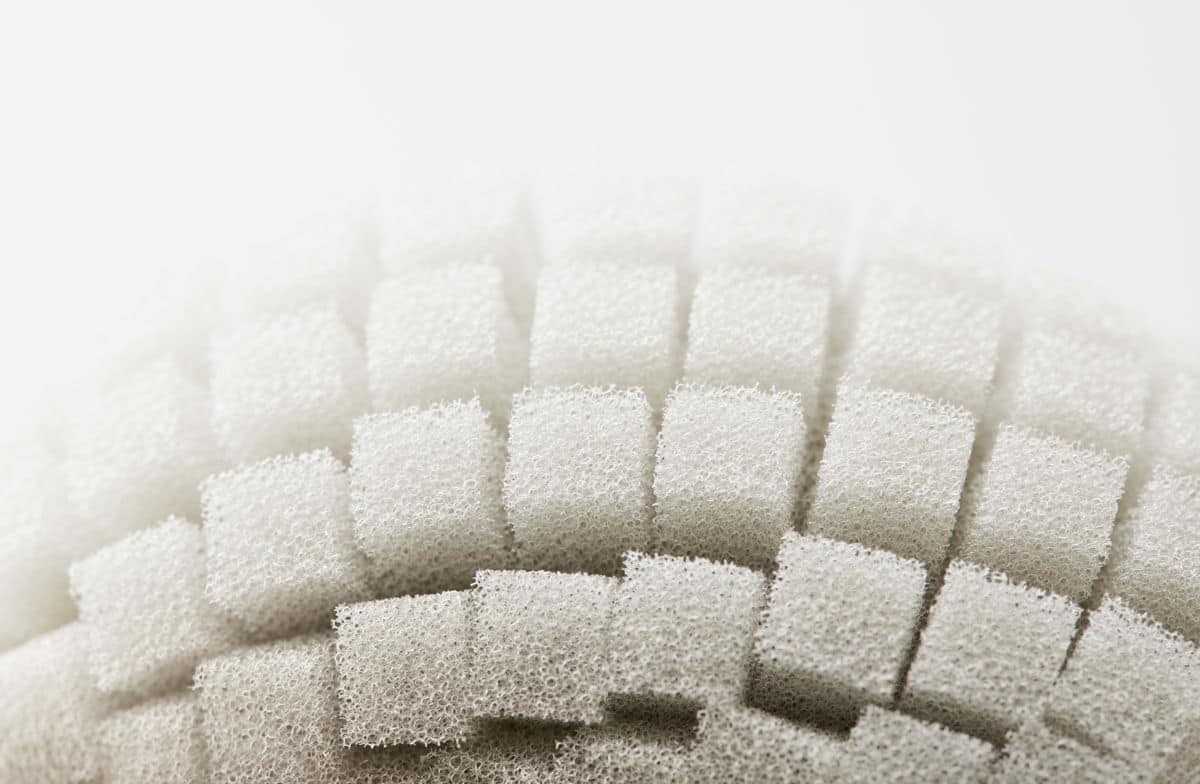
The dark grey foam is for loosening and the light grey foam is for absorbing and capturing. Loosen first or absorb first, depending on the wound.
Alprep Pad has been specially designed to be easy to use and control, giving you the flexibility to reach areas in the wound where debridement is needed.
Case studies
Treatment of suspected wound bed biofilm by mechanical debridement with 2 in 1 cleansing and debridement pad
- 70 yr old male with hard to heal and recurrent bilateral venous leg ulcers which were painful to debride.
- History of multiple DVTs and obesity
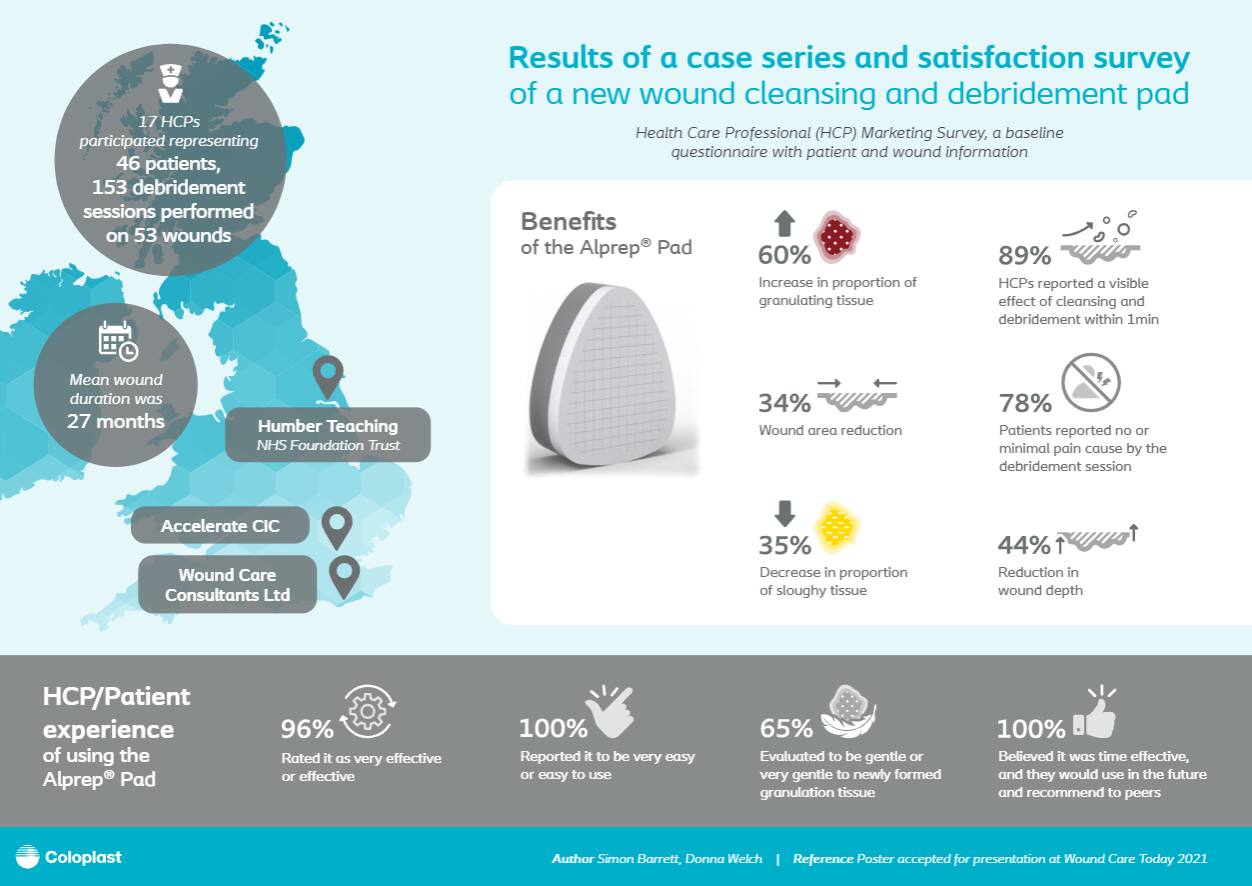
Results of a case series and satisfaction survey of a new wound cleansing and debridement pad
- 58 year old Venous Leg Ulcer with persistent and difficult to remove slough and high levels of exudate
- Diagnosis of Sickle Cell Anaemia, history of cervical spine fracture, total hip replacement, DVT and splenic abscess
Results of a case series and satisfaction survey of a new wound cleansing and debridement pad in a management of biofilm
- 63 year old female patient with complex comorbidities.
- Dermatology Consultant classified wound as pyoderma gangrenousum with patient also presenting with signs of lymphovenous disease to lower limbs
- Wound duration of between 3 4 years.
The role of Alprep Pad® in facilitating shared care of diabetic foot ulceration
The aim of this evaluation was to document initial clinical experiences of Alprep Pad® and record the cleansing and debriding and performance.
Alprep Pad use in Humber
Case study inforgraphic on the use of Alprep Pad in Humber Teaching NHS Foundation Trust. 89% of HCPs reported a visible effect of cleansing and debridement within 1 minute.
Alprep® Pad Evaluation
Healthcare professionals involved in wound cleansing and debridement need a good understanding of wound bed preparation (WBP) and how to create an optimal environment for wound healing and assessment.
Frequency of Debridements and Time to Heal
A Retrospective Cohort Study of 312,744 Wounds
Wound Assessment
Updating the Triangle of wound assessment to include management of the gap and biofilms
Learn more about how to assess and manage the gap and suspected biofilms
Using the Triangle of Wound Assessment to assess and manage the gap
Read more about how the Triangle can support the assessment and management of the gap
Using the Triangle to develop management goals
Learn more about how the Triangle support your decision making in developing a management plan
The Triangle of Wound Assessment used in clinical
Learn more about how the Triangle can be used in clinical practice to assess and manage different wound types
The Triangle of Wound Assessment simplified
Learn about the background and how to use the Triangle of Wound Assessment